Streatham High Road upholstery cleaning top local experts: a practical guide to cleaner, fresher furniture
If your sofa is looking a bit tired, your dining chairs have picked up everyday marks, or that armchair in the corner has started to hold on to a faint smell that just will not shift, you are in the right place. Streatham High Road upholstery cleaning top local experts is not just a search phrase; it is usually what people type when they want real help, locally, without the faff. And fair enough. Upholstery is one of those things that quietly takes a beating.
In this guide, we will break down how professional upholstery cleaning works, what makes a local specialist worth choosing, the benefits you can actually expect, and the mistakes that tend to cost people time or money. We will also cover what to ask before booking, how to prepare your furniture, and when a deeper service such as sofa cleaning or deep cleaning makes more sense. No jargon. Just useful, straight-talking advice.
Table of Contents
- Why local upholstery cleaning matters
- How the cleaning process works
- Key benefits and practical advantages
- Who needs upholstery cleaning and when
- Step-by-step guidance
- Expert tips for better results
- Common mistakes to avoid
- Tools, resources and recommendations
- Law, compliance, standards and best practice
- Methods and comparison table
- Case study or real-world example
- Practical checklist
- Conclusion
- Frequently asked questions
Why Streatham High Road upholstery cleaning top local experts Matters
Upholstery is different from carpets in one key way: it is usually more delicate, more varied, and much easier to damage with the wrong product or too much moisture. That is why local expertise matters. A good cleaner does not just "spray and hope". They assess the fabric type, look for colourfastness issues, test a discreet area, and choose a method that suits the item rather than forcing one standard approach onto everything.
On Streatham High Road, where homes, flats, and small businesses all mix together, furniture tends to see a lot of everyday life. Tea spills, pet hair, city dust, pollen drifting in through open windows, muddy shoes in winter, food crumbs after busy evenings, and the odd mystery mark no one wants to claim. That build-up happens slowly, so people often do not notice the change until the fabric looks flat or smells stale. Then suddenly the sofa is the first thing you see when you walk in. Annoying, really.
Choosing a local expert can help because they understand the pace and practical needs of the area. Same-day needs happen. Move-out timings happen. A family with young children might need quick drying. A professional household may want minimal disruption. A local service is usually better placed to respond in a human way, not a scripted one.
Expert summary: upholstery cleaning works best when the cleaner understands the fabric, the stain, the drying time, and the real-world use of the item. The best results come from matching the method to the material, not from using the strongest product available.
How Streatham High Road upholstery cleaning top local experts Works
Professional upholstery cleaning is usually a careful sequence, not a single machine pass. In plain English, the job is to lift dirt from the fibres, remove staining where possible, reduce odours, and leave the material as dry and safe as possible after treatment.
1. Initial inspection
The cleaner checks the upholstery type first. Cotton, linen, velvet, synthetic blends, leather, and microfibre all react differently. A proper inspection also looks for worn seams, loose buttons, sun fading, previous DIY cleaning marks, and any labels with care instructions. If a piece already has damage, that changes the approach immediately.
2. Dry soil removal
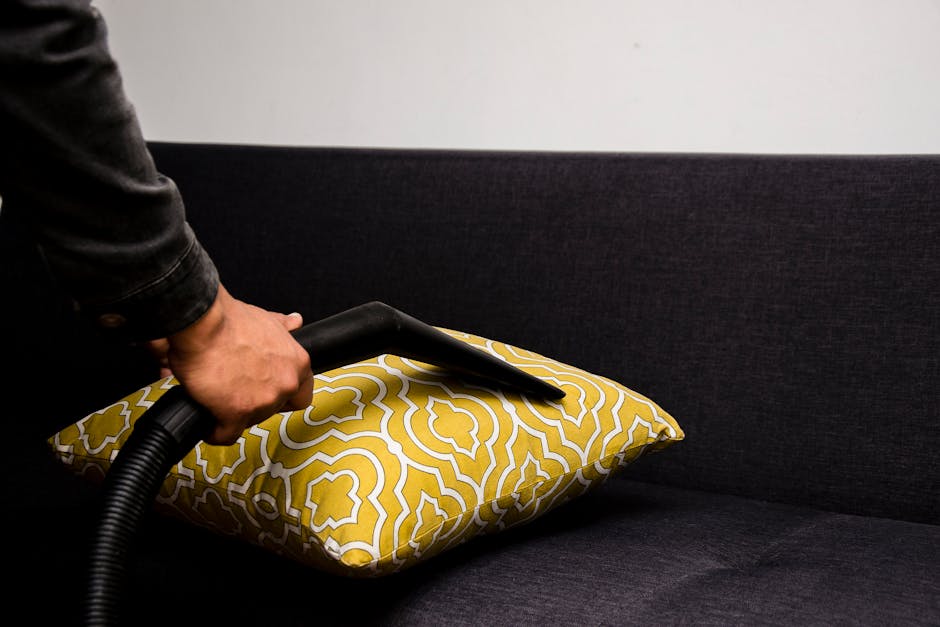
Before any wet method is used, loose dirt, dust, and debris should be removed. This stage matters more than many people think. If dry debris is left in the fabric, it can turn to muddy residue once moisture is introduced. Not ideal. It is a bit like trying to mop a floor without sweeping first.
3. Spot testing and pre-treatment
A responsible cleaner will test the chosen solution in a hidden area first. Then they may apply a pre-treatment to traffic areas, food stains, or oily patches. This step is where technique counts. Some marks need dwell time; some need gentle agitation; some should be treated lightly to avoid spreading.
4. Main cleaning method
Depending on the fabric and condition, the cleaner may use low-moisture cleaning, hot water extraction on suitable materials, or specialist shampooing or foam methods. The point is to clean thoroughly without over-wetting the furniture. Too much water can leave rings, extend drying time, or cause distortion in cushions and seams.
5. Rinse, extraction, and finishing
Once the cleaning solution has done its work, the residue is extracted or wiped away. This is important because leftover detergent can attract dirt again. Finally, the cleaner may groom fibres, reset pile direction, and advise on drying. You should never be left wondering what happens next. Good communication is part of the service.
Key Benefits and Practical Advantages
There is a reason upholstery cleaning is often booked after someone has lived with an item for a while. The improvement is usually visible, but the less obvious gains can be just as helpful.
- Better appearance: fabrics look brighter, less flat, and more even in colour.
- Reduced odours: everyday smells from pets, cooking, smoke, or spills are often less noticeable after a proper clean.
- Longer furniture life: removing grit and embedded dirt helps reduce premature wear.
- Healthier indoor feel: while it is not a medical treatment, cleaner fabric generally means less dust and residue sitting on surfaces you use every day.
- More practical than replacing furniture: a good clean is often far cheaper and less disruptive than buying new items.
- Helpful for guests, landlords, and home sellers: it can make a room feel more cared for, which matters more than people admit.
One often overlooked benefit is confidence. When your sofa, chairs, or cushions look and smell fresher, the whole room feels lighter. It is subtle, but you notice it when you sit down with a cup of tea and the fabric no longer has that slightly tired feel. That matters in everyday life.
Who This Is For and When It Makes Sense
Upholstery cleaning makes sense for more people than you might expect. It is not just for homes that feel "dirty". In fact, some of the most common bookings come from ordinary situations where furniture has simply reached the point of looking worn.
- Families: spills, sticky fingers, crumbs, pet hair, and high use.
- Pet owners: hair, dander, and lingering smells can settle into fabric quickly.
- Renters: if you are moving out, a freshened-up sofa or chair set can help the place present well.
- Home workers: your chair or office seat can collect body oils, dust, and general wear surprisingly fast.
- Landlords and letting agents: upholstery in furnished properties needs to look cared for between tenancies.
- Small offices and waiting areas: reception seating often gets more use than people realise.
It also makes sense when you are tackling a wider clean. A lot of customers pair upholstery work with carpet cleaning or a one-off reset after renovation dust, busy family life, or a particularly messy season. There is a certain satisfaction in getting the whole room to feel settled again.
Step-by-Step Guidance
If you are planning to book a local specialist, or you want to know what a careful service should look like, this simple process will help.
- Identify the material. Check the care label if you can find it. If not, note whether the fabric feels delicate, textured, smooth, or moisture-sensitive.
- List the problem areas. Mark stains, odours, traffic zones, and any areas with visible wear. Being specific helps the cleaner prepare properly.
- Ask about the method. The best cleaner should explain how they intend to treat your item and why that method suits the fabric.
- Clear the area. Remove blankets, cushions, loose throws, ornaments, and anything fragile nearby. It saves time and reduces accidental knocks.
- Vacuum first if advised. Some services handle this themselves, but a quick pre-vacuum can help if a lot of pet hair or crumbs are present.
- Stay realistic about stains. Older stains can often be improved, sometimes dramatically, but not every mark disappears fully. Honest expectations prevent disappointment.
- Allow proper drying time. Open windows if appropriate, keep the room ventilated, and avoid sitting on the furniture too soon. Damp upholstery and impatience are not a great pairing.
If the item is very delicate or valuable, ask for a light test clean first. That is especially sensible for antique pieces, velvet, silk blends, or anything with unknown finishing.
Expert Tips for Better Results
Here is the kind of advice that tends to make a real difference, not just sound clever.
- Act early on spills. Blot, do not rub. Rubbing pushes liquid deeper into the fibres and spreads the stain.
- Know your fabric. The same solution that works on one sofa can be wrong for another. Fabric type matters more than branding.
- Book before odours settle in. Smells become harder to shift the longer they sit.
- Choose a dry day if you can. Not mandatory, but drying is often easier when the air is less damp. London weather, of course, likes to do its own thing.
- Ask about residue removal. A clean that leaves sticky detergent behind may look fine at first and then attract dirt quickly.
- Rotate cushions regularly. It sounds basic because it is basic, but it helps prevent uneven wear.
- Consider surrounding surfaces too. If your room also needs freshening up, a broader service such as house cleaning or domestic cleaning can make the whole space feel more balanced.
Small detail, big impact. That is usually how good upholstery care works.
Common Mistakes to Avoid
Most upholstery problems after cleaning are not caused by the dirt itself. They are caused by avoidable missteps. A few of the big ones:
- Using too much water: over-wetting can leave marks, lengthen drying, and affect padding.
- Choosing the wrong product: bleach-based or overly strong products can damage colour and fibres.
- Scrubbing hard: this often frays fibres and spreads stains.
- Ignoring the care label: if the label says solvent cleaning only, do not guess.
- Expecting miracles from DIY sprays: they sometimes mask the problem rather than solve it.
- Putting cushions back too soon: trapped moisture can lead to lingering smells or patchy drying.
- Booking on price alone: cheap is not always cheap if the result needs redoing.
To be fair, everyone has tried a home remedy at some point. Salt, bicarbonate, mystery foam from a cupboard. Sometimes it helps. Sometimes it just creates a second problem. The trick is knowing when to stop improvising.
Tools, Resources and Recommendations
A professional upholstery cleaner usually arrives with equipment and products chosen for the specific task. You do not need to own the tools yourself, but it helps to know what good work usually involves.
| Method | Best for | Advantages | Watch-outs |
|---|---|---|---|
| Low-moisture upholstery cleaning | Delicate fabrics, routine refreshes | Faster drying, gentler on fibres | May be less effective on deep set staining |
| Hot water extraction on suitable fabrics | Durable synthetic upholstery, heavy soiling | Deep dirt removal, strong overall clean | Not suitable for every material |
| Foam or shampoo cleaning | General maintenance, some mixed fabrics | Controlled moisture, useful for surface dirt | Residue must be fully removed |
| Spot treatment only | Small isolated marks | Targeted, quick, cost-conscious | Not enough for full-room freshness |
For readers comparing services, it also helps to look at the company behind the work. A transparent cleaning company should be clear about what it does, how it handles complaints, and how it manages payments and safety. If you want a fuller sense of approach and standards, the about us page can be useful too. And yes, the boring policy pages matter as well; they tell you a lot about how seriously a business takes trust, insurance, and customer care.
Law, Compliance, Standards, or Best Practice
Upholstery cleaning itself is not usually a heavily regulated activity in the way some specialist trades are, but professional providers should still follow sensible UK business and safety practice. That means being careful with chemicals, handling equipment responsibly, protecting customer property, and making sure staff understand the products they use.
Good practice usually includes clear communication around insurance, health and safety, and secure payment handling. If you are booking a local service, it is reasonable to check pages such as insurance and safety, health and safety policy, payment and security, and the provider's terms and conditions. Those pages are not just formalities. They help you understand what happens if something goes wrong, what the service includes, and what both sides can reasonably expect.
For customers with allergy concerns, delicate fabrics, children, or pets, it is also sensible to ask what products are used and whether the room should be ventilated afterwards. A careful cleaner will answer plainly. No drama. Just clarity.
Options, Methods, or Comparison Table
People often ask whether they should clean upholstery themselves, book a specialist, or simply wait until they replace the furniture. Here is the practical view.
| Option | Best for | Pros | Cons |
|---|---|---|---|
| DIY spot cleaning | Fresh spills, small marks | Cheap, immediate | Easy to overdo, limited results |
| Professional upholstery cleaning | Whole items, stubborn marks, odours | More thorough, safer for many fabrics, better finish | Costs more than DIY |
| Replacement | Severely damaged or worn-out furniture | Fresh start | Highest cost, disposal hassle, slower decision |
If you are weighing up whether to clean or replace, ask yourself a simple question: is the frame still sound and the fabric structurally okay? If yes, cleaning is often the smarter first move. If the material is torn, sagging, or badly faded, you may be better off spending money elsewhere. That bit can save a lot of second-guessing.
Case Study or Real-World Example
A Streatham household booked upholstery cleaning for a three-seater sofa and two dining chairs after a busy year with children, visitors, and one very enthusiastic pet. The furniture was not catastrophic, just tired. There were drink marks on the armrest, a dull patch where people always sat, and a faint smell from day-to-day life that had become hard to ignore.
The cleaner inspected the fabric first, tested a small hidden area, and used a method designed for the material rather than forcing a heavy wet clean. The obvious marks improved, the seating areas looked brighter, and the room felt fresher without the furniture looking over-treated. The owner later said the biggest surprise was not the visible stain removal; it was how much more comfortable the room felt in the evening light.
That sort of result is fairly typical when the job is done carefully. Not perfection, not magic. Just a real, visible lift. And that is usually enough.
Practical Checklist
Before you book, run through this checklist. It keeps things simple and avoids awkward surprises.
- Check the furniture type and fabric if possible.
- Note any stains, odours, pet issues, or damage.
- Ask which cleaning method will be used.
- Ask whether the fabric is suitable for wet cleaning.
- Confirm expected drying time.
- Clear the area around the furniture.
- Ask about insurance, safety, and terms.
- Discuss access, parking, or building entry if needed.
- Make sure you understand what results are realistic.
- Plan where people, pets, or children will sit while the item dries.
If you are booking as part of a wider reset, you might also look at one-off cleaning, rug cleaning, or window cleaning so the whole room feels pulled together. Small wins add up. They really do.
Conclusion
Finding Streatham High Road upholstery cleaning top local experts is less about chasing flashy promises and more about choosing someone who understands fabric, listens properly, and treats your furniture with care. The right cleaner will explain the method, manage moisture carefully, and be honest about what can and cannot be improved. That honesty is worth a lot.
Whether you are dealing with a sofa that has seen too many tea breaks, chairs that need a fresh start, or a favourite seat that just feels ready for a reset, professional upholstery cleaning can make a genuine difference. It is one of those services that quietly improves daily life. You sit down, notice the cleaner look and the fresher feel, and think: yes, that was worth doing.
If you are comparing providers, take your time, ask the practical questions, and choose a company that feels steady rather than flashy. Good local service tends to be clear, careful, and reassuring. That is the sort of help most people want, truth be told.
Get a free quote today and see how much you can save.
And if you are still deciding, that is fine too. A good upholstery clean should feel like a sensible step forward, not a gamble.
Frequently Asked Questions
How often should upholstery be professionally cleaned?
It depends on use. A family sofa, pet-friendly home, or heavily used chair may need cleaning more often than a rarely used guest room piece. The best guide is condition: visible dirt, odours, dullness, or recurring stains are usually the signal.
Can all upholstery fabrics be cleaned the same way?
No. That is one of the biggest mistakes people make. Fabric type, dye stability, and filling all matter. Velvet, linen, leather, synthetics, and blends may each need a different method.
Will upholstery cleaning remove old stains?
Sometimes yes, sometimes partially, and sometimes not fully. Age, stain type, and previous DIY attempts all affect the outcome. A good cleaner should give you a realistic expectation before starting.
How long does upholstery take to dry?
Drying time varies based on method, fabric, room ventilation, and moisture levels. Light cleaning may dry relatively quickly, while deeper methods take longer. A cleaner should tell you what to expect for your specific item.
Is upholstery cleaning safe for pets and children?
It can be, provided suitable products are used and the furniture is allowed to dry properly before being used again. If you have concerns, ask what products are applied and whether extra ventilation is recommended.
Should I vacuum my sofa before the cleaner arrives?
It helps in many cases, especially if there is pet hair, crumbs, or loose dust. Some professionals will vacuum as part of the service, but a quick pre-clean can make the job easier.
What is the difference between sofa cleaning and upholstery cleaning?
Sofa cleaning focuses specifically on sofas, while upholstery cleaning covers sofas plus chairs, stools, headboards, benches, and other upholstered furniture. The terms overlap a lot in practice.
Can I use supermarket stain removers before a professional visit?
Best to be cautious. Some products make stains harder to remove or damage the fabric. If possible, blot the spill gently and avoid experimenting too much before the cleaner assesses it.
Do I need to move the furniture myself?
Often only small items, cushions, and nearby objects need moving. Larger pieces may not need to be shifted far at all. It is worth asking in advance so you know how much prep is expected.
Is upholstery cleaning worth it for older furniture?
Very often, yes, if the frame and fabric are still in decent shape. Cleaning can refresh appearance and extend the useful life of an item, which may be more sensible than replacing it straight away.
How do I choose between local providers?
Look for clear explanations, sensible expectations, useful policies, and a method that suits your furniture. A provider who answers questions well is usually a safer bet than one who just promises "amazing results" and leaves it there.
Can upholstery cleaning help with smells?
Yes, often. Everyday smells from pets, food, smoke, or general use can improve after a proper clean. Strong or long-set odours may need more than one treatment, though, depending on the source.
Sometimes the simplest home improvement is the one you sit on every day. And that, oddly enough, can make the whole place feel better.